Why New Construction Downspouts Need Proper Drainage Tie-Ins
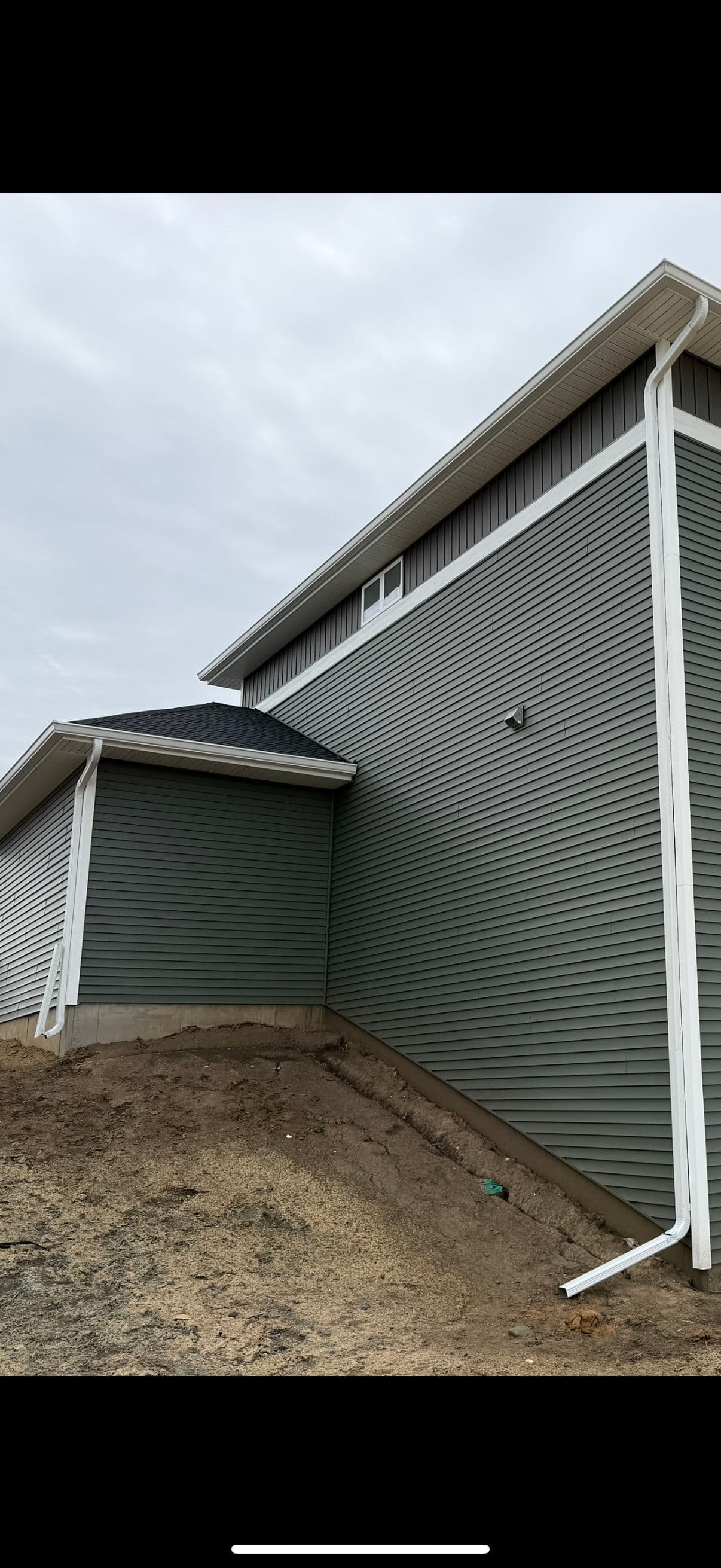
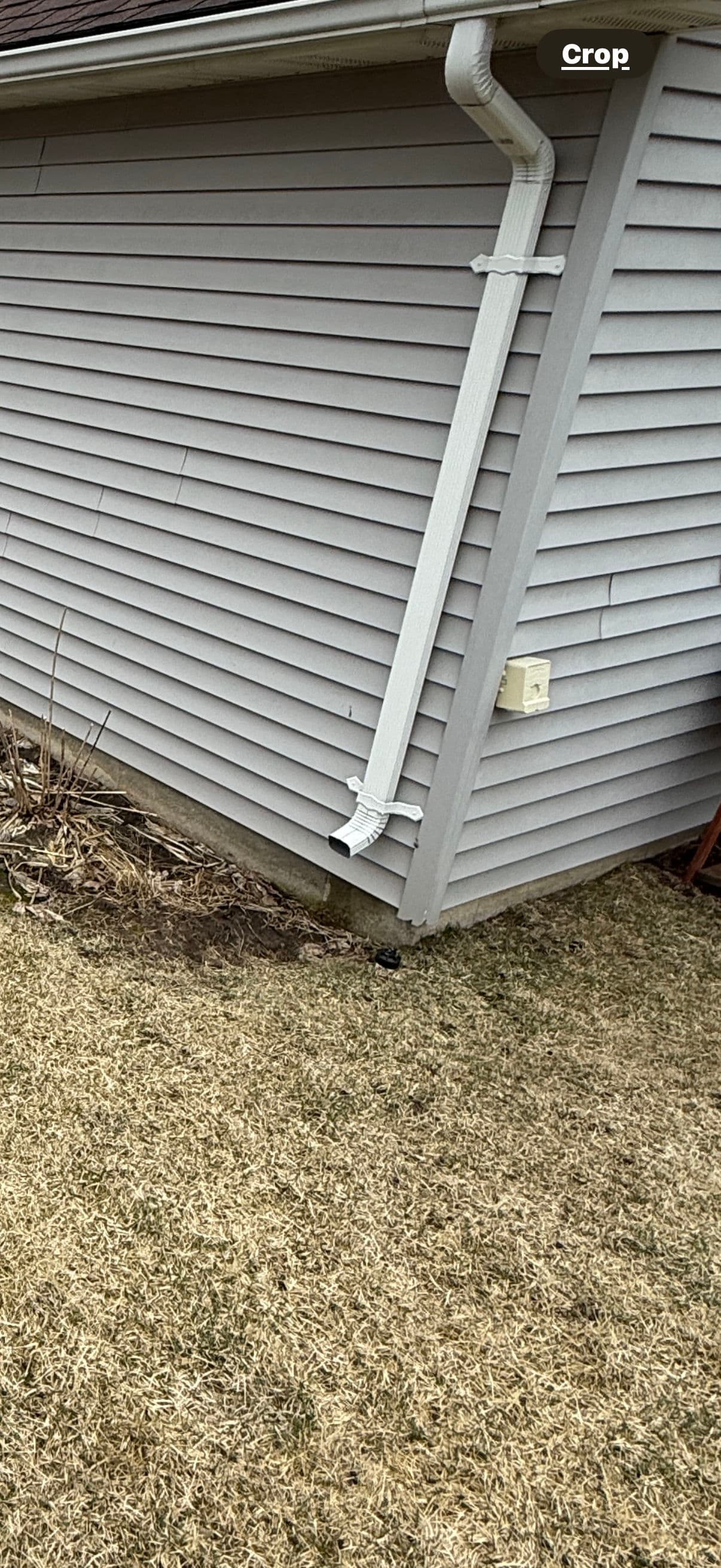
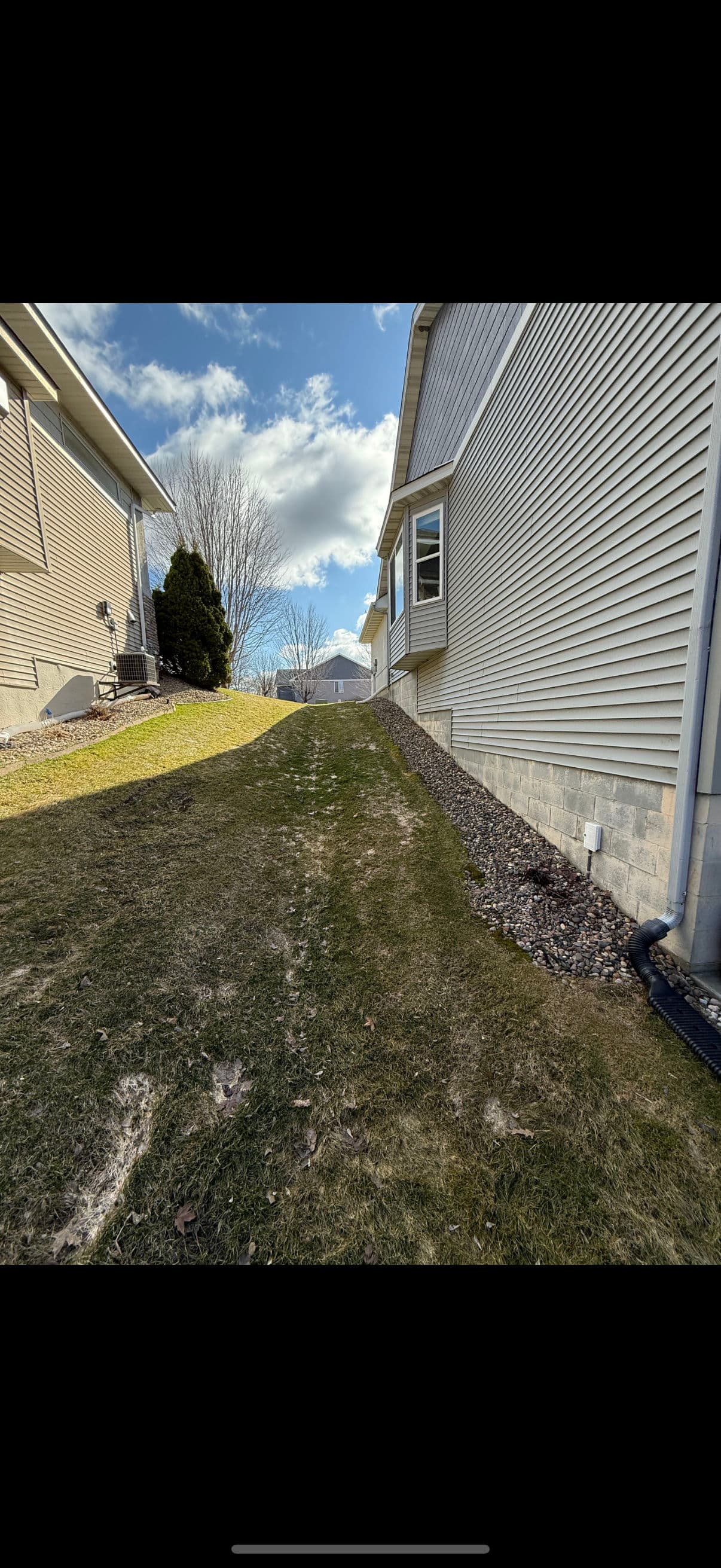
New construction homes are built to look sharp - but the drainage setup that comes standard is often an afterthought. Builders install gutters and downspouts, and then those downspouts just... stop. Right at the base of the foundation. That's a problem most homeowners don't notice until the damage is already done.
Here's what happens. Every time it rains, water pours off the roof, runs down the downspout, and dumps directly into the soil next to your foundation. Do that enough times - through wet springs, heavy summer storms, and freeze-thaw cycles - and that soil gets saturated. It shifts. It settles. And then you're looking at foundation cracks, water in the basement, and a sump pump working overtime. What starts as a drainage oversight turns into a five-figure repair bill.
The fix is straightforward, but it has to be done right. A properly designed water management system takes that roof runoff and moves it away from the home through a buried drainage line that ties into the downspout. The water gets redirected to a safe discharge point well away from the foundation - not pooling against it. We use corrugated drainage pipe and pop-up emitters or yard drains depending on the layout of the property, making sure water has somewhere to go.
One thing we see constantly on newer homes is the downspout terminating just above grade with no connection to an underground system at all. That setup looks fine on the surface. But it's doing nothing to protect the structure below. Tying downspouts into a real drainage system is one of the most cost-effective investments you can make as a homeowner - especially in Minnesota where the ground freezes and icy buildup near the house creates its own hazards.
We work with homeowners across Lakeville and the surrounding area to build drainage solutions that are designed for the long haul. Whether you're in a new build or an older home with the same issue, getting water managed correctly from the start is always cheaper than dealing with what happens when you don't.